
Faith-Based Daily Awareness Post 10 July 2026
Faith-Based Security Headlines
These updates are shared to help raise the situational awareness of Faith-Based organizations to best defend against and mitigate the impacts from all-hazards threats including physical security, cybersecurity, and natural disasters.
FB-ISAO’s 2025 Threat Data Report | Vandalism, Violence, Arson, Active Shooters, Cyber Attacks, and More: Understanding Today’s Threats to Houses of Worship Across All Faith Communities
Houses of worship and faith‑based organizations are facing increasing levels of hostility, from vandalism and arson to active‑shooter events, bomb threats, hate‑motivated violence, and cyber-attacks on their systems and data. Join the Faith-Based Information Sharing and Analysis Organization for a focused review of the much-anticipated cumulative threat data on attacks and incidents impacting churches, synagogues, mosques, temples, and other houses of worship during 2025.
During this session, Ed Heyman and Ross Moore will:
- Walk through key statistics from recent incidents impacting houses of worship and faith‑based organizations, including vandalism, arson, threats, and violence.
- Highlight notable hate‑motivated and extremist attacks against religious institutions and how those trends are evolving across time and different faith traditions.
- Review recent cyber incidents affecting faith‑based organizations – such as ransomware campaigns and online harassment – and discuss common entry points and vulnerabilities.
- Discuss practical implications for security planning, training, and partnership with law enforcement, emergency management, and community organizations.
- Point to free tools, templates, and grant programs that can help congregations strengthen their security posture and preparedness without overwhelming budgets or staff.
This presentation is designed for clergy, executive leaders, safety, security, and intelligence team members, board members, and anyone responsible for protecting the people, facilities, and ministries of a faith‑based organization. No advanced technical background is required; the focus is on clear, plain‑language insight into current threats and realistic steps faith communities can take to reduce risk.
The webinar will take place on 22 July 2026 at 12:00 PM ET, when we’ll unpack what the data is telling us and what leaders should be watching now. Participants will leave with a clearer understanding of current trends, risk drivers, and practical steps to strengthen security, preparedness, and resilience in their own communities.
Register here : This is a members-only event.
June 2026: Earth’s 2nd-hottest June on record
Global temperatures continued to reach historical levels in June 2026, making it the second-warmest June since records began in 1850, while the first half of the year ranked as the third warmest on record. North America, Europe, and Africa each experiences their second-warmest June, and NOAA estimates there is a 95% change that 2026 will finish among the four warmest years ever recorded. At the same time, NOAA expects El Nino conditions to continue into early 2027, increasing the potential for extreme weather across the globe. Arctic sea ice also reached its third-lowest June extent on record, reflecting the continued warming of the planet. During June alone, 395 major weather stations recorded all-time heat records, while no stations recorded all-time cold records, underscoring the growing frequency of extreme heat events.
Analyst Comments: For faith-based organizations, these trends highlight the need to view severe weather as ongoing operational risk rather than an occasional emergency. As temperatures continue to rise, many regions are experiencing stronger storms, flooding, wildfires, and prolonged heat that can damage facilities, interrupt worship services and community programs, and strain local emergency resources. Organizations should consider taking an all-hazard approach to preparedness by reviewing emergency and continuity plans, protecting important records, ensuring backup power and communications are available, and assessing facilities for weather-related vulnerabilities. Investing in long-term mitigation today can help faith-based organizations continue serving their congregations and communities when increasingly frequent environmental events disrupt normal operations.
Resources: Toolkits
The Show Must Go On: Building Cyber Resilience for Venues
This Gate 15 article explains that modern venues including stadiums, arenas, concert halls, convention centers, and theaters have become increasingly reliant on interconnected digital systems to manage everything from ticketing and payments to security cameras, Wi-Fi, access control, and building automation. While these technologies improve the guest experience and operational efficiency, they also create additional opportunities for cyberattacks that can disrupt events, threaten public safety, damage an organization’s reputation, and result in significant financial losses. Because live events often cannot be postponed or restarted, venues must focus not only on preventing cyber incidents but also on maintaining operations and recovering quickly when disruptions occur.
Rather than treating cybersecurity as solely an IT responsibility, the article emphasizes that cyber resilience requires coordination across the entire organization. Venue operators should integrate cybersecurity into everyday operations by conducting regular risk assessments, segmenting networks, maintaining offline backups, developing contingency plans for critical systems, and exercising incident response procedures with both technical and operational staff. The article also highlights the importance of strong communication, relationships between IT and venue leadership, employee awareness, and balancing security with the need to provide a seamless experience for guests. Ultimately, building resilience ensures venues can continue operating safely and effectively even when faced with cyber disruptions, helping protect attendees, staff, partners, and the events themselves.
More Faith-Based Stories
- VT: Unhoused man arrested after assault outside Montpelier church
- NY: Man arrested for tossing Molotov cocktails at 2 Queens churches
- South Carolina man who set fire to Georgia church claimed Bible verse inspired him
- Michigan man accused of cyberstalking, years of threats tied to New York church
- Delco man arrested after alleged antisemitic threats on Gov. Josh Shapiro
- Iran Hatched Fresh Plot to Kill Trump, Israel Told U.S.
- How Terrorist Groups Are Using A.I. to Gain an Edge in Battle
- Khanna sounds alarm on potential foreign software in White House app
- 2026 State of Executive Impersonation
- Sea level rise has increased frequency of extreme coastal flooding worldwide, study finds
More Security-Focused Content

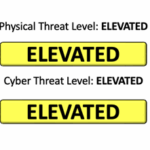
The FB-ISAO’s sponsor Gate 15 publishes a daily newsletter called the SUN. Curated from their open source intelligence collection process, the SUN informs leaders and analysts with the critical news of the day and provides a holistic look at the current global, all-hazards threat environment. Ahead of the daily news cycle, the SUN allows current situational awareness into the topics that will impact your organization.