
Faith-Based Daily Awareness Post 16 October 2026
Faith-Based Security Headlines
These updates are shared to help raise the situational awareness of Faith-Based organizations to best defend against and mitigate the impacts from all-hazards threats including physical security, cybersecurity, and natural disasters.
Operation Economic Outcast Targets Iranian Regime’s Abuse of Religious Charity Networks
On October 15, 2026, the U.S. Department of the Treasury’s Financial Crimes Enforcement Network (FinCEN) issued an alert under Operation Economic Outcast, a Treasury initiative aimed at disrupting Iran’s access to international financial networks and preventing sanctions evasion. The alert warns financial institutions about the potential misuse of religious charities and nonprofit organizations by the Iranian regime.
The alert focuses on the alleged diversion of khums, a religious contribution in the Shi’a Muslim community traditionally used to support religious and charitable purposes. According to Treasury, some organizations may redirect these donations to enrich Iranian elites, support domestic repression, or fund terrorism abroad. The alert also identifies hawalas, informal money-transfer systems that allow funds to move between people or locations without conventional bank transfers, and cash couriers as potential channels for moving money to Iran or regime-linked entities.
FinCEN identified several red flags for financial institutions to monitor, including charities that solicit donations without providing apparent charitable services, receive large unexplained donations before transferring funds to other organizations, attempt to evade financial reporting requirements, or facilitate unexplained transfers followed by cash withdrawals. The alert encourages financial institutions to report suspected illicit activity while applying a risk-based approach to customer due diligence. FinCEN also emphasized that legitimate religious charities and nonprofits should retain access to financial services and be able to transfer funds through transparent, lawful channels.
Analyst Comments: Religious organizations and nonprofits may benefit from maintaining clear donation records and establishing internal financial controls. Financial institutions can monitor for suspicious transaction patterns, unexplained transfers, and activity inconsistent with an organization’s stated charitable purpose, which can create operational, legal, or reputational difficulties if an organization is flagged in this way. The indicators outlined in the alert are not evidence of wrongdoing on their own, and legitimate charitable activity should not be treated as suspicious solely because of an organization’s religious affiliation or international financial activity.
Further Reading: US alert puts Iran’s overseas religious finance networks under scrutiny
TN: Dunlap Police warns the public of scammers impersonating church officials
The Dunlap Police Department warned residents about scam text messages from individuals impersonating local church leaders and requesting that recipients purchase Green Dot cards. Police cautioned that the messages may appear convincing but are fraudulent.
Analyst Comments: Scams involving individuals impersonating church leaders can exploit trust within religious communities. Religious organizations can help reduce these risks by reminding members to:
- Verify unexpected requests directly with the person using a known phone number.
- Avoid purchasing gift cards or sharing financial information in response to unsolicited messages.
- Report suspicious messages to church leadership and local law enforcement.
- Notify their bank or gift card provider if money has already been sent.
FB-ISAO Releases an All-Faiths Analysis of Attacks on U.S. Houses of Worship in 2025
The Faith-Based Information Sharing and Analysis Organization (FB-ISAO) released its third annual analysis of attacks on U.S. houses of worship, identifying 915 reported incidents in 2025, an 8.8% increase from 2024. Protestant churches accounted for 63% of incidents, followed by Catholic churches (14%), synagogues (12%), and mosques (5%). Theft and vandalism remained common, but casualties increased from 69 in 2024 to 202 in 2025, including 48 deaths and 154 injuries. Assaults accounted for nearly 90% of deaths and more than 86% of injuries.
More than half of reported incidents occurred outside houses of worship, highlighting vulnerabilities in parking lots, walkways, entrances, and surrounding grounds. Threats also varied by faith community, with Jewish and Muslim institutions experiencing more communicated threats, intimidation, and graffiti. Cyber incidents were significantly underreported, despite risks from phishing, compromised credentials, data theft, and extortion.
FB-ISAO recommends conducting site-specific threat assessments, improving perimeter security and lighting, controlling access, training staff and volunteers, coordinating with law enforcement, and strengthening cybersecurity practices. The report emphasizes prioritizing security measures based on the threats most likely to affect each congregation.
More Faith-Based Stories
- Manifesto of Aurora Hindu temple Neo-Nazi shooter described Indians as ‘subhumans’: How hate speech by White supremacists and Indian leftists is putting Hindus and their temples under target in the US
- MO: Leaders to meet about church vandalism, thefts across St. Louis
- Armed Volunteer Security to Stand Trial for Bystander Killing
- Bangladesh: Puja Udjapan Parishad reports 34 idol vandalism, temple attack incidents ahead of Durga Puja
- Oregon Elementary School Shooting Kills Three Children and a Teacher
- Mass Shootings: Tracking gun violence in the U.S.
- Scammers clone candidates’ voices to steal cash and voter data ahead of 2026 midterms, FBI warns
- Chevron CEO warns oil buffers that cushioned the Iran war shock have been ‘drained’—and diesel relief may not come until 2027
- Insider Threat Report: Dark Web Recruitment & Access Trends
- Data Centers Are War Targets Now
- How to use online banking securely – ITSAP.00.080
- El Nino looms large over U.S. Winter Outlook
More Security-Focused Content

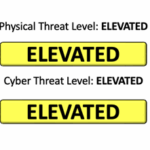
The FB-ISAO’s sponsor Gate 15 publishes a daily newsletter called the SUN. Curated from their open source intelligence collection process, the SUN informs leaders and analysts with the critical news of the day and provides a holistic look at the current global, all-hazards threat environment. Ahead of the daily news cycle, the SUN allows current situational awareness into the topics that will impact your organization.