
Faith-Based Daily Awareness Post 20 July 2026
Faith-Based Security Headlines
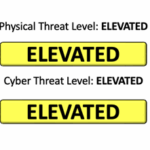
These updates are shared to help raise the situational awareness of Faith-Based organizations to best defend against and mitigate the impacts from all-hazards threats including physical security, cybersecurity, and natural disasters.
MI: 5 Shot at Detroit Church
A dispute outside of a funeral at Greater Love Tabernacle Church escalated into gunfire, injuring four attendees before a Detroit police officer assigned to a visitation at a nearby funeral home quickly intervened and stopped the shooter. All five people hit by gunfire, including the suspect, are expected to survive. While the shooting itself was an isolated incident stemming from an argument, the broader lesson emphasized in the Christian Warrior blog is that violence can emerge from circumstances beyond a congregation’s immediate control, particularly during emotionally charged events such as funerals.
Analyst Comments: This incident reinforces that funeral services present unique security considerations for Houses of Worship because they bring together grieving individuals and extended social circles. Early recognition of escalating arguments or confrontations provides an opportunity for trained personnel to intervene before violence occurs, as many incidents begin with verbal or physical disputes rather than a planned attack. Planning for funerals and other special services through risk assessments, clear communication, and de-escalation training can strengthen preparedness.
Faith-based organizations also benefit from viewing the area surrounding their facilities as part of their security environment and maintaining awareness of nearby events that could influence activity on their property. In this instance, rapid response by an officer already positioned near the church demonstrates the value of having trained security personnel and established coordination with local law enforcement.
US data center protests go national as backlash grows
Opponents of data center expansion organized 142 coordinated protests across 42 states on July 18 in the first nationwide demonstration campaign focused specifically on data center development. The events were organized by the organization HumansFirst, who is linked to the Tea Party movement, which described the protests as a response to what it views as an unaccountable expansion of AI infrastructure. Texas hosted the largest number of demonstrations with 18 events, followed by Georgia with 11, California with eight, and Pennsylvania, Florida, and Indiana with seven each. Attendance varied by location, with some rallies drawing only a dozen participants while others attracted around 50 people
Analyst Comments: The coordinated HumansFirst campaign marks one of the first nationwide protest efforts focused specifically on data center development, with organizers holding 142 demonstrations across 42 states. While attendance varied by location, the geographic reach of the events highlights how opposition to data center expansion has spread well beyond isolated local disputes into a broader national movement. With organizers signaling continued activism and framing the issue as a long-term policy concern, similar demonstrations and community mobilization are likely to continue as new data center projects are proposed. Organizations involved in planning, developing, or supporting data center projects may encounter increased public engagement, demonstrations, and scrutiny throughout the development process.
The Gate 15 Interview EP 72. Amira Dhalla on Take9, the Power of the Pause, SS26 and the World Cup!
The Gate 15 Interview is a monthly interview between Gate 15’s Founder and Managing Director, Andy Jabbour and guests from throughout the homeland security risk management community addressing a wide range of all-hazards topics and issues.
In this month’s Gate 15 Interview Andy Jabbour speaks with Amira Dhalla, Director, Cyber Civil Defense, Aspen Digital. Amira is an experienced advocate and educator working on privacy and security issues to make technology more inclusive, open, and safe while also advocating with communities to create a secure digital movement.
Information on other Gate 15 podcasts can be found at Podcasts (gate15.global).
ICYMI: FB-ISAO’s 2025 Threat Data Report | Vandalism, Violence, Arson, Active Shooters, Cyber Attacks, and More: Understanding Today’s Threats to Houses of Worship Across All Faith Communities
Houses of worship and faith‑based organizations are facing increasing levels of hostility, from vandalism and arson to active‑shooter events, bomb threats, hate‑motivated violence, and cyber-attacks on their systems and data. Join the Faith-Based Information Sharing and Analysis Organization for a focused review of the much-anticipated cumulative threat data on attacks and incidents impacting churches, synagogues, mosques, temples, and other houses of worship during 2025.
During this session, Ed Heyman and Ross Moore will:
- Walk through key statistics from recent incidents impacting houses of worship and faith‑based organizations, including vandalism, arson, threats, and violence.
- Highlight notable hate‑motivated and extremist attacks against religious institutions and how those trends are evolving across time and different faith traditions.
- Review recent cyber incidents affecting faith‑based organizations – such as ransomware campaigns and online harassment – and discuss common entry points and vulnerabilities.
- Discuss practical implications for security planning, training, and partnership with law enforcement, emergency management, and community organizations.
- Point to free tools, templates, and grant programs that can help congregations strengthen their security posture and preparedness without overwhelming budgets or staff.
This presentation is designed for clergy, executive leaders, safety, security, and intelligence team members, board members, and anyone responsible for protecting the people, facilities, and ministries of a faith‑based organization. No advanced technical background is required; the focus is on clear, plain‑language insight into current threats and realistic steps faith communities can take to reduce risk.
The webinar will take place on 22 July 2026 at 12:00 PM ET, when we’ll unpack what the data is telling us and what leaders should be watching now. Participants will leave with a clearer understanding of current trends, risk drivers, and practical steps to strengthen security, preparedness, and resilience in their own communities.
Register here : This is a members-only event.
More Faith-Based Stories
- Hateful vandal hurls feces and motor oil at two NYC synagogues
- NY: CAIR-NY Condemns Vandalism Targeting Queens Synagogues, Calls for Swift Investigation
- CAIR, Utah Muslim Civic League Welcome Utah Prosecutor’s Filing of Formal Felony Charges, Confirmation of Anti-Muslim Hate Motive in Stabbing Attack
- PA: Man arrested after mosque damaged in Northeast Philadelphia arson attack
- NC: VIDEO: FBI, New Hanover County Sheriff’s Office investigate threat against Wilmington Mosque
- BREAKING: CAIR Helps Obtain Restraining Order for Suspect After North Carolina Mosque Targeted by Threat
- CA: Swastika and racial slur found on fence at elementary school in SoCal town
- CT: Wilton Hindu Temple seeks emergency escape road amid hate crime concerns
- Iran hackers resume threats to hit critical infrastructure with ‘unforgettable lessons’
- Iran and US widen attacks, raising fears for Gulf shipping and water supplies
- People are making wildfire bets on prediction markets. Experts say it could lead to arson
- Tropical Depression Two Intermediate Advisory Number 4A
- Cyclospora Outbreak Linked to Iceberg Lettuce in 5 States
More Security-Focused Content

The FB-ISAO’s sponsor Gate 15 publishes a daily newsletter called the SUN. Curated from their open source intelligence collection process, the SUN informs leaders and analysts with the critical news of the day and provides a holistic look at the current global, all-hazards threat environment. Ahead of the daily news cycle, the SUN allows current situational awareness into the topics that will impact your organization.