
Faith-Based Daily Awareness Post 28 April 2026
Faith-Based Security Headlines
These updates are shared to help raise the situational awareness of Faith-Based organizations to best defend against and mitigate the impacts from all-hazards threats including physical security, cybersecurity, and natural disasters.
(U.S.): Fort Polk Soldier Charged with Threatening to Walk Into Synagogue With ‘My AK’ and Kill ‘Every Single Jew’
On April 23, 2026, the U.S. Attorney’s Office for the Western District of Louisiana charged 22-year-old soldier Jakob Marcoulier, stationed at Fort Polk, with transmitting a threat in interstate commerce after he made violent antisemitic threats on Discord targeting a synagogue. According to court documents, the FBI received a tip in February 2026 about a user making such threats and obtained audio recordings in which Marcoulier described plans to carry out a mass shooting after completing a military deployment. He emphasized his intent and desire to be seen in the news, reinforcing the seriousness of the threat. Following an investigation involving the FBI and the U.S. Army Criminal Investigation Division, Marcoulier was arrested on April 23 and now faces up to five years in federal prison. Officials highlighted the importance of public reporting in preventing potential attacks and reaffirmed their commitment to protecting religious freedom and stopping hate-motivated violence before it occurs.
Analyst Comments: This case highlights the persistent threat posed by individuals who radicalize online and move from rhetoric to credible intent, particularly when targeting religious communities. It also reinforces that threats made in online spaces like Discord can be treated as serious indicators of possible mobilization, not just fringe speech. For organizations, especially faith-based institutions, this underscores the importance of maintaining awareness of evolving threat landscapes, encouraging reporting of suspicious behavior, and integrating basic protective measures and communication protocols into their security planning.
New FTC Data Show People Have Lost Billions to Social Media Scams
New data from the Federal Trade Commission shows that in 2025, nearly 30% of reported scam losses began on social media, totaling about $2.1 billion; an eightfold increase since 2020 and more than any other contact method. Platforms like Facebook accounted for the highest reported losses, followed by WhatsApp and Instagram. Scammers exploit social media’s broad reach by hacking accounts, using targeted ads, or analyzing user activity to personalize scams. Investment scams caused the greatest financial damage at $1.1 billion, while shopping scams were the most reported. Romance scams remained widespread, often involving emotional manipulation or fake investment opportunities. The data also show that nearly all age groups are most vulnerable to scams originating on social media. The FTC alert advises users to strengthen privacy settings, avoid taking financial advice from online-only contacts, and research companies before making purchases to reduce risk.
Analyst Comments: The Federal Trade Commission data reinforces that social media is now a primary attack vector for financial fraud, driven by low cost, high reach, and the ability for scammers to precisely target individuals using personal information and behavioral data. Threat actors can blend social engineering with platform tools to build trust quickly and exploit it at scale.
For faith-based institutions, this trend is relevant. Religious organizations often maintain an active social media presence to engage congregants, promote events, and support community outreach, providing data scammers to use in impersonating the organization or affiliated charities. Additionally, vulnerable populations within congregations, including older adults or those seeking community support, may be more susceptible to romance or financial scams initiated through social media platforms.
As a result, faith-based organizations should consider viewing social media fraud as both a cybersecurity community care issue. and Key steps include educating congregants on common scam tactics, establishing clear communication policies for official fundraising or financial requests, monitoring for impersonation accounts, and encouraging members to verify requests through trusted offline channels. Proactive awareness and communication can significantly reduce risk while preserving the trust that is central to these communities.
FB-ISAO Education Series | Building an Intelligence Team for your House of Worship
NEXT SESSION >> May 6, 2026, 12:00 PM ET: Expanding your horizon to consider additional atypical threats, man-made and natural disasters, to prepare for all-hazards.
Register here.
Nerd Out EP 69. Iran Security Risks, Plus Arson Risks, and Peak Nerd Culture
The Gate 15 Nerd Out! Security Panel Discussion, moderated by Dave Pounder, focuses on physical security topics including terrorism, extremism, hostile events, and other pertinent topics.
In this month’s Nerd Out Dave and Alec go deep into the various threats from Iran and the ways they can still inspire and influence attacks, then dive into fire as a weapon and arson threats. As always, they wrap up by talking about some of their favorite shows, including Daredevil and Maul! Plus, are we in the midst of a revival or peak for fandom?
Information on other Gate 15 podcasts can be found at Podcasts (gate15.global).
Weekly Security Sprint EP 155. Concerning Behaviors, Cyber Resilience, and More
The Gate 15 Security Sprint is a weekly rundown of the week’s notable all-hazards security news, risks and threats and some of the key focus areas for organizations to consider behind the headlines. Gate 15 team members discuss physical security, cybersecurity, natural hazards, health threats and other issues across our environment.
In this week’s Weekly Security Sprint Dave and Andy covered the following topics:
- WHCD Attack
- Cyber Resilience
- FBI: Open Letter t Parents, Guardians, and Caregivers
Information on other Gate 15 podcasts can be found at Podcasts (gate15.global).
More Faith-Based Stories
- Bomb threat clears North Jersey synagogue, police say
- VA: Man Arrested After Burglarizing Church in Fairfax Station
- MI: Historic former church vandalized in Warrensburg
- NY: Binghamton church looks for answers after Easter vandalism
- MD: Gilboa African Methodist Episcopal Church fire in Catonsville under investigation
- Security experts warn philanthropic, Jewish worlds at risk as AI supercharges cyber attacks
- WHCD:
- Washington Hilton says it was using Secret Service protocols on night of attack
- Suspect in White House Correspondents’ Dinner Shooting Charged with Attempt to Assassinate the President
- How the Secret Service was able to stop the White House correspondents’ dinner shooting suspect: ANALYSIS
- Finding the gaps in WHCD security
- Iran War:
- 15 chemical spraying drones stolen in NJ as FBI investigates possible ‘nightmare scenario’: report
- US bill allows critical infrastructure operators to detect and neutralize rogue drones, closing key defense gaps
- CTC Sentinel: April 2026 Issue
- Cybersecurity in Hybrid and Remote Work
More Security-Focused Content

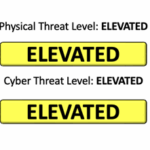
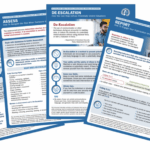

The FB-ISAO’s sponsor Gate 15 publishes a daily newsletter called the SUN. Curated from their open source intelligence collection process, the SUN informs leaders and analysts with the critical news of the day and provides a holistic look at the current global, all-hazards threat environment. Ahead of the daily news cycle, the SUN allows current situational awareness into the topics that will impact your organization.