
Faith-Based Daily Awareness Post 29 May 2026
Faith-Based Security Headlines
These updates are shared to help raise the situational awareness of Faith-Based organizations to best defend against and mitigate the impacts from all-hazards threats including physical security, cybersecurity, and natural disasters.
Prepared Before the Storm: How Churches Can Serve When Disaster Strikes
The article from the Inter-European Division of the Seventh-day Adventist Church emphasizes the important role churches can play before, during, and after disasters strike. It highlights that local congregations are often among the first organizations able to provide support because they are deeply connected to their communities and understand local needs. The piece encourages churches to prepare in advance by developing emergency plans, building volunteer networks, training members, and coordinating with humanitarian organizations such as the Adventist Development and Relief Agency (ADRA.) Beyond physical aid, the article stresses the importance of offering emotional and spiritual support to those impacted by disasters. Ultimately, the message centers on preparedness, compassion, and the church’s ability to serve as a trusted source of stability and hope during crises.
Analyst Comments: While this article primarily focuses on the European experience, domestically, churches also viewed as trusted community hubs during emergencies, making advance planning, volunteer coordination, and continuity planning critical for both congregational safety and community resilience. The piece highlights how faith-based organizations can fill gaps in emotional and spiritual care that traditional emergency response agencies may not always provide. Similar guidance from church preparedness and disaster ministries nationwide stresses the value of communication plans, evacuation procedures, emergency supply coordination, and partnerships with local emergency management organizations before a crisis occurs.
From a risk and resilience perspective, the article serves as a reminder that houses of worship should consider disasters as an operational continuity issue in addition to a humanitarian one. Severe weather events, flooding, wildfires, and other emergencies continue to increase pressure on local organizations to be prepared to operate independently during the first hours or days of a crisis.
‘No Kings’ movement protests planned on Trump’s birthday: What to know
The “No Kings” protest movement has organized a counterdemonstration to celebrations surrounding President Donald Trump’s birthday and related events, including a military parade and other high-profile public displays. Demonstrations and events are planned across numerous cities nationwide, with organizers encouraging peaceful civic participation and community gatherings. Supporters frame the movement as a response to concerns about civil liberties, immigration enforcement, and federal authority, while critics characterize the protests as politically motivated opposition to Trump and his administration.
Analyst Comments: The “No Kings” protests reflect continued elevated political polarization within the United States and the increased likelihood of large-scale demonstrations surrounding politically symbolic events, particularly those associated with President Donald Trump or the broader topics of executive authority, immigration policy, and civil liberties. While the planned events are expected to remain peaceful, large demonstrations can create localized security, traffic, and operational disruptions, especially in downtown areas, near government facilities, or along planned parade and rally routes. There is also the potential for counterprotests, opportunistic disruptive activity, or isolated confrontations that may emerge in highly charged political environments.
For faith-based organizations, demonstrations may present indirect operational and security considerations even if houses of worship are not directly involved in them. Churches, synagogues, mosques, and other religious institutions located near protest activity could experience increased pedestrian traffic, parking limitations, road closures, or heightened tensions spilling into surrounding neighborhoods. Faith leaders may also encounter politically charged discussions within congregations or requests to publicly comment on ongoing events. As with preparing for other major protests, faith-based organizations with planned “No Kings” events near their facilities may benefit from reviewing communication plans, monitoring local law enforcement advisories, and reinforcing de-escalation and situational awareness practices for staff and volunteers, particularly if services or community outreach events coincide with nearby demonstrations.
FB-ISAO Education Series | Building an Intelligence Team for your House of Worship
NEXT SESSION >> May 6, 2026, 12:00 PM ET: Expanding your horizon to consider additional atypical threats, man-made and natural disasters, to prepare for all-hazards.
Register here.
About the series. “Intelligence” often conjures images of secret agents working in the shadows to protect national security. Intelligence isn’t just for government agents, with a little guidance, anyone can do it! Intelligence involves a systematic process of collecting, analyzing, and using information to anticipate, detect, and prevent threats before they cause harm. This process helps decision makers weigh alternatives and make threat-informed, fact-based choices via enhanced situational awareness. By leveraging intelligence, houses of worship can enhance their overall safety and security, ensuring their spaces remain welcoming sanctuaries for worship yet prepared for potential incidents.
More Faith-Based Stories
- MI: Canterbury Park prayer service shooting leaves pastor injured and community shaken
- Florida church vandalized after man tried to help, officials say
- Hundreds rally in support of NYC kosher bagel shop trashed in anti-Semitic attack
- VA: Charles Carnival boosts security after violence concerns and teen crowd incidents
- CA: Governor Newsom Announces New Funding for Nonprofits and Faith-Based Groups Following San Diego Mosque Shooting
- Explosive testimony in Texas trial raises further questions regarding Church’s handling of disgraced cleric
- Iran War:
- The Pentagon Knew Enemies Could Track Troops’ Phones for Years. Now They Are.
- Ballots Have Been Seized Across the US. No One Knows What Will Happen Next.
- FAA Establishes No Drone Zones for FIFA World Cup 2026 Stadiums, Fan Events and Base Camps
- Column: Empower Emergency Managers for Major Events
More Security-Focused Content

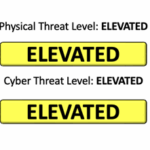
The FB-ISAO’s sponsor Gate 15 publishes a daily newsletter called the SUN. Curated from their open source intelligence collection process, the SUN informs leaders and analysts with the critical news of the day and provides a holistic look at the current global, all-hazards threat environment. Ahead of the daily news cycle, the SUN allows current situational awareness into the topics that will impact your organization.