
Faith-Based Daily Awareness Post 4 May 2026
Faith-Based Security Headlines
These updates are shared to help raise the situational awareness of Faith-Based organizations to best defend against and mitigate the impacts from all-hazards threats including physical security, cybersecurity, and natural disasters.
NOAA Hurricane Preparedness Week
Both National Oceanic and Atmospheric Administration (NOAA) guidance and a recent White House release emphasize National Hurricane Preparedness Week (May 3–9, 2026) and the urgency of preparing ahead of the 2026 hurricane season. NOAA’s website focuses on practical readiness, urging individuals to understand their personal risk from hazards like flooding and wind, create emergency plans and supply kits, monitor forecasts through multiple alert systems, and know how to act before, during, and after a storm. The White House press release reinforces these points at a national level, calling on Americans, especially those in high-risk areas, to take proactive steps to protect themselves, their families, and their property before disasters strike.
Analyst Comments: These messages serve as a timely reminder that National Hurricane Preparedness Week is an appropriate trigger for organizations to validate baseline resilience measures ahead of the 2026 Atlantic hurricane season. Even for organizations outside traditionally high-impact coastal zones, disruptions from severe weather can cascade through supply chains, staffing, and critical service dependencies. Even areas outside traditionally high-impact coastal zones can experience severe disruption, as seen in North Carolina’s inland flooding during Hurricane Helene in 2024, which caused significant damage far from the storm’s landfall. Easy preparedness actions such as confirming continuity plans, reviewing communication protocols, checking remote work readiness, and ensuring emergency contacts and alert systems are current can materially reduce operational friction during an event.
The rise of antisemitism in the U.K. is being treated as a national security threat
Time Magazine has published an article titled “The Rise of Antisemitism in the U.K.” that describes rising concern over antisemitism in the U.K., highlighted by recent attacks, including arson attempts and violence targeting Jewish communities. Prime Minister Keir Starmer condemned the climate of fear experienced by many Jewish individuals, emphasizing that antisemitism remains a deeply rooted and persistent issue. Data from community organizations shows a continued increase in antisemitic incidents, particularly since 2023, with growing fears reflected in surveys where many British Jews report feeling unsafe or altering their behavior to avoid being visibly identified as Jewish.
In response, the government has pledged additional funding for security measures, increased policing, and support for affected organizations, as well as initiatives targeting antisemitism in schools and online spaces. However, critics including advocacy groups and religious leaders argue that these measures fall short and are calling for more concrete and timely action. Social media has been identified as a significant driver of antisemitic abuse, prompting regulatory scrutiny under existing laws like the Online Safety Act.
The issue is also being framed as a broader national security concern, with UK officials citing an elevated and sustained threat environment involving hostile state-linked activity, including alleged Iranian involvement in surveillance and plotting against Jewish and Israeli targets in the UK. In response to this wider risk picture alongside recent antisemitic violence the UK raised its national terrorism threat level from “substantial” to “severe,” meaning an attack is now considered highly likely, underscoring the seriousness of the intelligence assessment and the scale of concern across security services.
Analyst Comments: The situation reflects a growing and increasingly complex antisemitism threat in the U.K., spanning physical violence, online abuse, and potential foreign-linked activity, with the key takeaway being that the UK government is now treating antisemitism as a matter of national terrorism concern in a way that stands out compared to the approach taken in many other countries. Social media remains a key driver of harassment, and geopolitical tensions may be amplifying risks. Overall, a more coordinated and proactive approach balancing immediate security with long-term prevention is needed to effectively address the issue.
FB-ISAO Education Series | Building an Intelligence Team for your House of Worship
NEXT SESSION >> May 6, 2026, 12:00 PM ET: Expanding your horizon to consider additional atypical threats, man-made and natural disasters, to prepare for all-hazards.
Register here.
More Faith-Based Stories
- KY: Man charged with terroristic threatening after deputies respond to local church
- ND: Fargo woman faces felony charges after alleged threats to church, businesses
- AL: Atlanta man arrested after fire at Sanford Buddhist temple, multi-county chase
- TX: South Austin church says they were vandalized for second time in nine months
- MI: Man breaks into Macomb County church, steals computer and leaf blower, police say
- NY: ‘Eyes and ears of the Jewish community’: NYC’s Shomrim watch groups take up counter-terrorism
- Rabbis arrested during Jewish-led anti-ICE protest in NYC
- Man’s Throat Slashed At Church; Man Pulls Gun At Church, Runs From Cops
- Canadian Incidents: Investigators release pictures of suspect sought in Toronto, York synagogue shootings
More Security-Focused Content

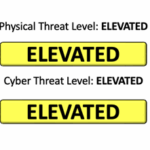
The FB-ISAO’s sponsor Gate 15 publishes a daily newsletter called the SUN. Curated from their open source intelligence collection process, the SUN informs leaders and analysts with the critical news of the day and provides a holistic look at the current global, all-hazards threat environment. Ahead of the daily news cycle, the SUN allows current situational awareness into the topics that will impact your organization.